
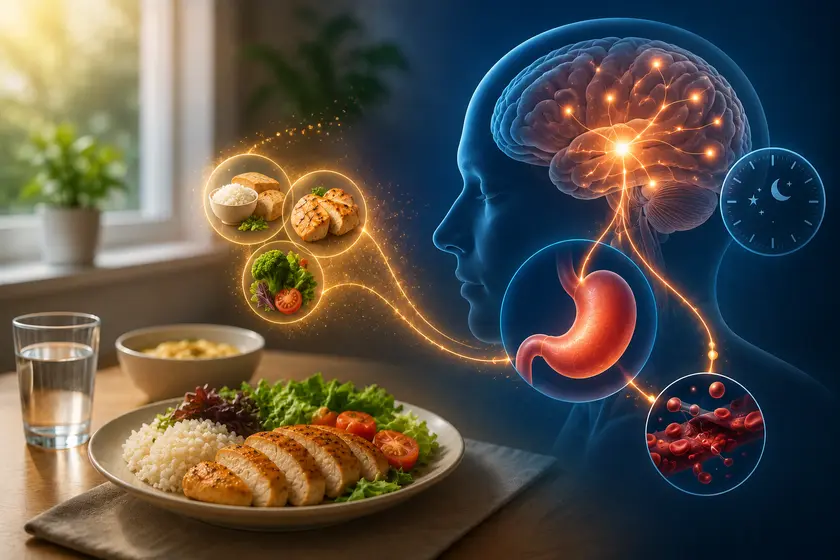

Have you ever finished a perfectly normal lunch and felt your eyes get heavy within minutes? Maybe it was a bowl of rice, a sandwich, or just a simple home-cooked meal. And suddenly all you want to do is rest your head on the desk.
You are not lazy. You are not unhealthy. And no, your body is not “stealing blood from your brain to digest food.” That is actually a very popular myth, and science has debunked it completely.
That drowsy, heavy feeling after lunch is so common it has a proper scientific name called postprandial somnolence. Most people just call it a food coma.
What is fascinating though is that it is not just about the food. It is a mix of your body clock, your hormones, your blood sugar, and your meal choices all happening at the exact same time of day. Let us break it down in simple, everyday language.
What Exactly Is Post-Lunch Sleepiness?
The word “postprandial” just means after eating. “Somnolence” means sleepiness. So postprandial somnolence simply means feeling sleepy after a meal. Nothing scary about it.
This happens to almost everyone. Students in classrooms, office workers in meetings, drivers on the road. It does not matter how healthy you are. Most people feel their lowest energy between 1 PM and 3 PM, and that window matches up almost perfectly with lunchtime.
Interesting fact: This is not a modern problem. Ancient Romans had a formal midday rest built into their day. Many cultures around the world including Spain’s siesta and South Asian afternoon nap traditions evolved around this exact biological reality.
The Real Reasons You Feel Sleepy After Lunch
1. Your Body Clock Has a Natural Afternoon Dip
Your body runs on a 24-hour internal schedule called the circadian rhythm. Think of it like a built-in clock that controls when you feel awake and when you feel tired.
This clock naturally slows down in the early afternoon. Your brain produces fewer “stay awake” signals between 1 PM and 3 PM no matter what you eat or do. Lunch just happens to fall right in this low energy window, so the food gets blamed for something your biology was already doing on its own.
2. Your Blood Sugar Goes Up Then Comes Crashing Down
When you eat a meal, especially one with a lot of carbs, your blood sugar rises quickly. Your body then releases a hormone called insulin to bring those sugar levels back down.
If your lunch had refined carbs like white bread, white rice, pasta, or sugary drinks, that drop happens fast. This sudden fall in blood sugar is called a glucose crash and it is one of the biggest reasons you feel that sudden wave of tiredness around 20 to 40 minutes after eating.
3. Your Brain Gets a Sleep Signal from the Food Itself
Here is something most people do not know. Eating actually triggers the release of serotonin in your body. Serotonin is the chemical linked to mood and sleep. Your body then converts some of that serotonin into melatonin, which is your natural sleep hormone.
Certain foods speed this process up even more. Foods high in tryptophan like turkey, dairy products, eggs, and nuts increase serotonin production. So some meals are quite literally sending a chemical message to your brain that says it is time to rest.
4. Your Digestive System Switches Your Body into Rest Mode
After you eat, your gut gets very busy. Your digestive system needs energy and blood flow to break down the food. This activates what is called the parasympathetic nervous system, also known as the “rest and digest” mode.
This mode slows your heart rate slightly, relaxes your muscles, and makes you feel calm and sleepy. It is the opposite of the “fight or flight” mode that keeps you alert. Your body is doing exactly what it is supposed to do, it is just not great timing for an afternoon meeting.
The old idea that blood drains away from your brain to your stomach has been proven false. Your brain always gets the blood it needs. But the overall shift into rest mode is very real.
5. Your Sleep Debt Finally Catches Up
If you did not sleep well the night before, your body has been building up something called sleep pressure throughout the morning. This is basically a buildup of a chemical called adenosine in your brain that keeps growing the longer you are awake.
By early afternoon that pressure is at its peak. When you sit down and eat lunch, the hunger distraction goes away and there is nothing left to keep the tiredness at bay. The food did not make you sleepy. It just removed the last thing keeping you awake.
Foods That Make You Sleepier vs Foods That Keep You Alert
Not every lunch hits the same. What you actually eat plays a big role in how strong that afternoon slump feels.
| Makes You Sleepier | Keeps You More Alert |
| White rice, white bread, pasta | Brown rice, quinoa, millets |
| Sugary drinks and desserts | Water, green tea, lemon water |
| Large heavy portions | Smaller balanced portions |
| Fried or ultra-processed food | Grilled protein with vegetables |
| Turkey, dairy, eggs in very large amounts | Eggs and legumes in moderate portions |
| Alcohol even in small amounts | Herbal teas and light smoothies |
Is Your Afternoon Tiredness Normal or a Warning Sign?
Most of the time, post-lunch sleepiness is completely harmless. But it helps to know when it might be something more.
| Totally Normal | Time to See a Doctor |
| Mild tiredness lasting 20 to 40 minutes | Extreme fatigue happening every single day |
| Gets better with a short walk or water | Stops you from doing your work or daily tasks |
| No other symptoms | Comes with brain fog, headaches, or dizziness |
| Goes away after a short rest | Does not improve no matter how much you rest |
| Linked to eating a big or carb-heavy meal | Could point to sleep apnea, diabetes, or thyroid issues |
If you are falling asleep at your desk every single day or feeling dangerously drowsy while driving after meals, please speak to a doctor. Conditions like insulin resistance, sleep apnea, anemia, and thyroid problems can all show up as extreme tiredness after eating.
6 Simple Ways to Beat the Afternoon Slump
You do not have to live with the post-lunch crash every day. These small changes actually work.
1. Eat a lighter lunch
The bigger the meal, the harder your body has to work to digest it. A moderate balanced lunch with protein, vegetables, and some complex carbs is easier on your system and keeps your energy more steady.
2. Swap white carbs for better options
Replace white rice and white bread with brown rice, lentils, or whole grain options. These digest more slowly and prevent the sharp blood sugar drop that causes the energy crash.
3. Take a short walk after eating
Even 10 minutes of light walking after lunch helps your body manage blood sugar better and stops the afternoon slump from hitting hard.
4. Drink more water
Dehydration alone causes fatigue and most people are already mildly dehydrated by lunchtime. Drinking water before and during your meal makes a bigger difference than most people expect.
5. Take a power nap but keep it short
A nap of 10 to 20 minutes can restore your alertness and energy. If you sleep longer than 30 minutes you risk going into deep sleep which will leave you feeling even more groggy when you wake up.
6. Fix your nighttime sleep
The single biggest thing that makes post-lunch sleepiness worse is not sleeping enough at night. Most adults need 7 to 9 hours. When you sleep better at night, the afternoon slump becomes much more manageable.
Conclusion
Feeling sleepy after lunch is one of the most natural, human things your body does. It is not a character flaw or a sign that something is wrong. It is your body clock, your hormones, your blood sugar, and your digestive system all working together at once, just at a really inconvenient time of day.
The good news is that you have a lot of control over how strong that slump gets. Eat a little lighter, choose better carbs, walk after meals, drink water, and most importantly sleep well at night. Do these things regularly and your afternoons will feel a whole lot better.
Your body is not broken. It is just doing what bodies do.
Frequently Asked Questions (FAQs)
Why do I feel sleepy after lunch even when I eat something healthy?
Even a healthy meal triggers digestion, serotonin release, and your natural afternoon circadian dip. The size of your portion and the timing of your meal also matter, not just the quality of the food.
Is it normal to feel very sleepy after eating?
Yes, mild sleepiness for 20 to 40 minutes after a meal is completely normal. If it is severe, happens every day, or affects how you function, it is worth getting a medical checkup.
Does rice make you sleepy?
White rice has a high glycemic index which means it raises your blood sugar quickly and causes a faster drop afterward. Brown rice and mixed grains are much better options if you want to stay energetic after lunch.
How long does post-lunch sleepiness usually last?
It typically lasts between 20 and 45 minutes. A short walk, a glass of cold water, or a 10 to 20 minute nap can help you recover faster.
Why do I feel sleepy after lunch but not after dinner?
Because your body’s natural low energy point falls in the early afternoon. Your circadian rhythm amplifies post-lunch sleepiness in a way that just does not happen after dinner when your body is already winding down naturally for the night.
Can feeling sleepy after eating be a sign of diabetes?
It can be one signal, especially if the tiredness is extreme and happens every day. Blood sugar problems and insulin resistance can cause strong fatigue after meals. A simple fasting blood sugar test from your doctor can help rule it out.
What is the best lunch to eat if you want to avoid the afternoon slump?
A balanced meal with lean protein like chicken, eggs, or lentils, paired with non-starchy vegetables and a small serving of complex carbs like brown rice, quinoa, or whole wheat bread. Avoid sugary drinks and anything fried or heavily processed.
Does drinking water really help with post-lunch sleepiness?
Yes it does. Dehydration is a surprisingly common cause of afternoon fatigue. Drinking water before and during your lunch can noticeably reduce how tired you feel afterward.