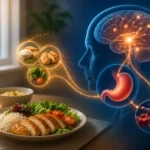
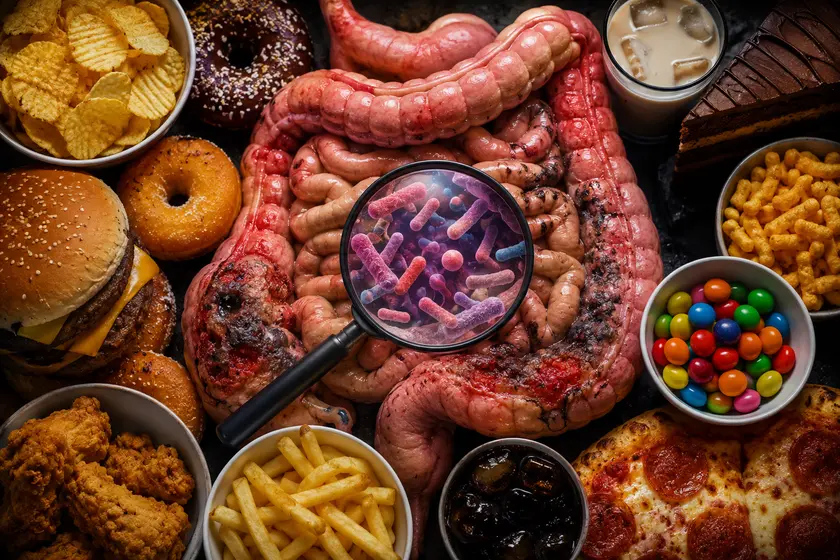

Here is something most people do not know: your gut contains roughly 100 trillion bacteria. That is more microbial cells than there are human cells in your entire body. Scientists call this ecosystem the gut microbiome, and in the last decade, research has completely changed how we understand it.
Your gut is not just responsible for digesting food. It directly controls your immune system (around 70% of it lives in your gut), your mood, your sleep quality, your skin, your energy levels, and even your risk of chronic disease. When your gut microbiome is balanced and diverse, your body runs well. When it is damaged or out of balance, a condition called gut dysbiosis, everything starts breaking down in ways that seem completely unrelated to digestion.
The scary part? Many of the foods causing this damage are things you probably eat every single day.
| Food | Main Problem | Gut Damage Caused |
| White bread | No fiber | Starves good bacteria |
| Artificial sweeteners | Alters microbiota | Reduces bacterial diversity |
| Processed meats | Preservatives + additives | Triggers intestinal inflammation |
| Fried foods | Oxidized oils | Damages gut lining |
| Alcohol | Kills beneficial bacteria | Causes leaky gut syndrome |
| Sugary cereals | High sugar content | Feeds harmful bacteria and yeast |
| Pasteurized dairy | Processing removes enzymes | Low-grade digestive irritation |
| Packaged snacks | Emulsifiers and chemicals | Disrupts protective mucus layer |
| Fruit juices | No fiber, high fructose | Feeds bad bacteria like sugar |
| Omega-6 vegetable oils | Pro-inflammatory fats | Promotes chronic gut inflammation |
1. White Bread and Refined Flour Products
White bread sits on almost every breakfast table on the planet. It is cheap, convenient, and filling, but it is also one of the worst everyday foods for your gut.
Here is what happens during processing: manufacturers strip away the bran and germ from wheat, leaving behind refined white flour with almost zero fiber. Fiber is the primary food source for the beneficial bacteria living in your colon. Without it, those bacteria have nothing to eat. They weaken. They die off. And as beneficial strains disappear, harmful bacteria step into the space they leave behind.
This bacterial imbalance, gut dysbiosis, has been linked to irritable bowel syndrome, bloating, chronic constipation, and systemic inflammation that spreads well beyond the gut. Refined flour also spikes blood sugar quickly, which further feeds the harmful bacterial overgrowth cycle.
What to do instead: Swap white bread for genuine sourdough, whole grain, or rye bread. These options retain fiber and even contain natural fermentation compounds that actively support gut bacteria.
2. Artificial Sweeteners
Millions of people switched from sugar to artificial sweeteners thinking they were making a healthier choice. The gut bacteria tell a very different story.
Sweeteners like aspartame, sucralose, and saccharin are zero-calorie, yes, but they are not zero-consequence. Research published in Nature found that consuming artificial sweeteners causes measurable changes in the gut microbiome in as little as one week. The bacterial diversity drops significantly, and the ratio of good bacteria to bad shifts in the wrong direction.
Reduced gut microbiome diversity is considered a serious health risk. Studies associate low bacterial diversity with obesity, type 2 diabetes, inflammatory bowel disease, and even depression. The thing is, diversity is what gives your immune system its strength. The more varied your gut bacteria, the more resilient your body is.
What to do instead: If you need sweetness, use small amounts of raw honey or pure maple syrup. Both contain trace compounds that can actually support gut bacteria rather than harm them.
3. Processed Meats
Hot dogs, sausages, bacon, deli slices, and salami are staple foods in many households across the world. They are also loaded with things your gut deeply dislikes.
Processed meats contain high levels of sodium, sodium nitrate preservatives, saturated fats, and synthetic additives that your digestive system was not designed to handle every day. They also contain virtually no fiber, so they sit in your digestive tract for a long time, creating an environment where anaerobic bacteria and putrefactive compounds thrive.
Long-term consumption of processed meats is consistently associated in medical literature with increased intestinal inflammation, disruption of the gut mucosal barrier, and a significantly higher risk of colorectal cancer. The World Health Organization classifies processed meats as a Group 1 carcinogen the highest risk category.
What to do instead: Choose fresh, unprocessed proteins like eggs, fresh chicken, lentils, or fish, all of which are far gentler on your gut lining.
4. Fried and Deep-Fried Foods
Fried chicken, french fries, pakoras, samosas, and doughnuts. Fried food is one of the great pleasures of life in almost every culture. But when it becomes a daily habit, your gut pays a serious price.
The problem comes from two angles. First, the high fat content in fried foods dramatically slows digestion, keeping food in your gut far longer than normal. This extended transit time creates a breeding ground for harmful bacterial fermentation. Second, the oils used in deep frying, especially when reheated oxidize and produce compounds called aldehydes and free radicals that physically damage the gut lining.
A damaged gut lining cannot absorb nutrients properly. It also becomes more permeable, allowing toxins to pass into the bloodstream a condition commonly known as leaky gut syndrome.
What to do instead: Air fry, bake, or grill instead. If you do fry occasionally, use fresh avocado oil or coconut oil, which are far more stable at high temperatures.
5. Alcohol
Alcohol is one of the most well-researched gut destroyers in existence. Even moderate regular drinking a glass or two of wine most evenings causes measurable harm to the gut microbiome over time.
Alcohol directly kills beneficial gut bacteria, particularly the Lactobacillus and Bifidobacterium strains that are critical for immune function and digestion. It also increases intestinal permeability, meaning the tight junctions holding your gut lining together become loose. This allows partially digested food particles and bacterial toxins to escape into the bloodstream, triggering widespread immune reactions, skin inflammation, fatigue, and brain fog.
Gastroenterologists refer to this as alcohol-associated leaky gut, and it is strongly linked to liver disease, chronic inflammation, and increased vulnerability to autoimmune conditions.
What to do instead: Limit alcohol to truly occasional consumption and hydrate heavily when you do drink. Fermented drinks like kombucha or water kefir can satisfy a craving for something fizzy without the gut damage.
6. Sugary Breakfast Cereals
The cereal aisle is one of the most misleading places in any supermarket. Brands dress their products in images of wholesome ingredients, athletes, and “fortified with vitamins” claims while packing each serving with 25 to 40 grams of refined sugar.
Sugar is the preferred food source of harmful gut bacteria and Candida yeast. Feed them daily and they multiply rapidly, crowding out the beneficial strains that keep your digestive system balanced. This bacterial overgrowth leads to chronic bloating, irregular bowel movements, intense sugar cravings (because the bacteria actually drive those cravings), and a weakened immune response.
Children who eat sugary cereals every morning are developing these gut imbalances from an extremely young age, setting them up for lifelong health challenges.
What to do instead: Choose plain oats, which are one of the best gut-health foods available. Top them with fresh fruit, nuts, and seeds for natural sweetness and prebiotic fiber.
7. Pasteurized and Flavored Dairy
Dairy is a complicated one. It is not universally harmful, but commercially processed, pasteurized, and flavored dairy products create specific problems for your gut that many people never connect to their symptoms.
Pasteurization, while necessary for food safety, also destroys beneficial enzymes and naturally occurring bacterial cultures in milk. Flavored yogurts, which are sold as probiotic health foods, often contain so much added sugar and artificial flavoring that any probiotic benefit is completely canceled out. The sugar feeds harmful bacteria; the additives irritate the gut lining.
Additionally, a large percentage of the global adult population has some degree of lactose intolerance, even without being aware of it. Low-grade unrecognized lactose intolerance means constant, low-level gut inflammation with every glass of milk or slice of processed cheese.
What to do instead: Opt for plain, full-fat yogurt or kefir with live active cultures and zero added sugar. These genuinely support gut microbiome health.
8. Packaged Snack Foods and Ultra-Processed Items
Chips, instant noodles, packaged cookies, flavored crackers, and microwave popcorn. These ultra-processed foods are everywhere and most people snack on them daily. From a gut health perspective, they are among the most damaging items in the modern diet.
The primary concern is emulsifiers, chemical compounds used to extend shelf life and improve texture. Ingredients like carboxymethylcellulose (CMC) and polysorbate 80 are found in hundreds of packaged foods. Multiple studies have shown these emulsifiers directly erode the protective mucus layer that lines the inside of your intestines. This mucus layer is your gut’s first line of defense. When it is thinned or disrupted, bacteria that should stay inside the gut come into contact with the intestinal wall triggering inflammation.
What to do instead: Snack on whole foods. Nuts, seeds, hummus with vegetables, fresh fruit, or boiled eggs all satisfy hunger without touching your gut lining.
9. Fruit Juices
This one consistently surprises people. Fruit is healthy, so fruit juice must be healthy too right? Actually, no. And the difference matters enormously for your gut.
When you eat a whole fruit, the fiber it contains acts as a physical barrier that slows sugar absorption and feeds your beneficial gut bacteria directly. When you juice the same fruit, you throw away the fiber and keep only the liquid which is concentrated fructose sugar with nothing to slow it down.
That concentrated fructose hits your gut exactly the way any other sugar does. It feeds harmful bacteria. It spikes blood sugar. And it does absolutely nothing for your microbiome. A single glass of orange juice can contain as much sugar as a can of cola.
What to do instead: Eat the whole fruit every time. If you want a drink, infuse water with sliced fruit or make a smoothie that keeps the fiber intact.
10. Vegetable Oils High in Omega-6 Fatty Acids
Sunflower oil, corn oil, soybean oil, and cottonseed oil these are the oils in almost every restaurant kitchen, packaged food, and household pantry across the world. They are also chronically pro-inflammatory for your gut.
The problem is the ratio of omega-6 to omega-3 fatty acids. Your body needs both, but in roughly equal amounts. The modern diet delivers omega-6 in quantities up to 20 times higher than omega-3, almost entirely because of these vegetable oils. This extreme imbalance drives chronic low-grade inflammation throughout the body and the gut is one of the first places it shows up.
Ongoing gut inflammation is the foundation of conditions like inflammatory bowel disease, Crohn’s disease, and ulcerative colitis.
What to do instead: Cook with extra virgin olive oil, coconut oil, or avocado oil. Eat fatty fish like salmon or sardines twice a week to restore your omega-6 to omega-3 balance.
How to Heal and Restore Your Gut Health
The good news is that your gut microbiome is not permanently broken. It is one of the most adaptable ecosystems in the human body, and studies show measurable improvement can begin within days of dietary changes.
| Action | Why It Helps | Best Sources |
| Eat fermented foods | Restores beneficial bacteria | Plain kefir, kimchi, sauerkraut, miso |
| Increase dietary fiber | Feeds good gut bacteria | Vegetables, legumes, oats, flaxseeds |
| Drink more water | Keeps gut lining hydrated | Plain water, herbal teas |
| Reduce stress | Protects gut-brain axis balance | Meditation, walking, deep breathing |
| Prioritize sleep | Regulates gut microbiome rhythms | 7–9 hours of consistent sleep |
| Take a quality probiotic | Introduces beneficial bacterial strains | Lactobacillus and Bifidobacterium blends |
| Eat prebiotic foods | Feeds the good bacteria you already have | Garlic, onion, leeks, bananas, asparagus |
Start by removing one harmful food per week and replacing it with something gut-friendly. Small, consistent changes always outperform drastic overhauls that never stick.
Conclusion
Your gut is far more than a digestion system. It is the control center of your overall health. The foods you choose to eat every day either nourish the trillions of bacteria keeping you well or slowly starve and damage them.
The ten foods covered in this article are not rare or exotic items. They are things most people eat on autopilot, every single day, without connecting them to the bloating, fatigue, skin problems, or mood swings they experience. The connection is real, and the science behind it is growing stronger every year.
You do not need to overhaul your entire diet overnight. Just start reading ingredient labels. Start choosing whole foods over packaged ones more often. Add one fermented food to your daily routine. These small steps, done consistently, can genuinely transform your gut health and your quality of life within weeks.
Your gut has an extraordinary ability to heal. Give it the chance.
Frequently Asked Questions (FAQs)
Q: How do I know if my gut health is poor?
The most common signs of an unhealthy gut include chronic bloating, frequent gas, constipation or diarrhea, unexplained fatigue, food intolerances, skin issues like acne or eczema, strong sugar cravings, and catching colds or infections frequently. Brain fog and anxiety are also closely linked to gut imbalance through the gut-brain axis.
Q: How long does it take to improve gut health through diet?
Most people notice meaningful improvements in bloating, energy, and digestion within two to four weeks of removing gut-damaging foods and adding probiotic and prebiotic-rich ones. Full microbiome restoration typically takes three to six months, depending on the extent of damage and consistency of dietary changes.
Q: What is the single worst food for gut health?
Heavily processed, ultra-refined foods containing emulsifiers cause some of the most direct damage to the gut’s protective mucus layer. But the consistent daily consumption of refined sugar in all its forms may be the most widespread cause of gut dysbiosis globally.
Q: Are probiotics enough on their own to fix gut health?
Probiotics are helpful but not sufficient alone. You also need to remove the foods that harm gut bacteria, eat prebiotic fiber to feed the good bacteria, reduce stress, and improve sleep quality. Think of probiotics as one important tool within a broader gut health strategy.
Q: Can gut health affect mental health?
Absolutely. Approximately 90% of your body’s serotonin the neurotransmitter most associated with mood and well-being is produced inside your gut. The gut and brain communicate constantly through the vagus nerve, a connection called the gut-brain axis. Poor gut health is closely associated with higher rates of anxiety, depression, and brain fog.
Q: Is coffee harmful to gut health?
Black coffee in moderate amounts (one to two cups daily) is actually neutral to mildly beneficial for many people’s gut bacteria. The damage comes from adding sugar, artificial sweeteners, and processed creamers. Excessive caffeine can irritate the gut lining, but moderate plain coffee is generally fine.
Q: What foods heal the gut lining fastest?
Bone broth, fermented vegetables, plain kefir, leafy greens, sweet potatoes, and foods rich in omega-3 fatty acids like salmon and chia seeds are among the best for repairing and maintaining the intestinal lining. Collagen-rich foods in particular are well studied for supporting the structural integrity of the gut wall.