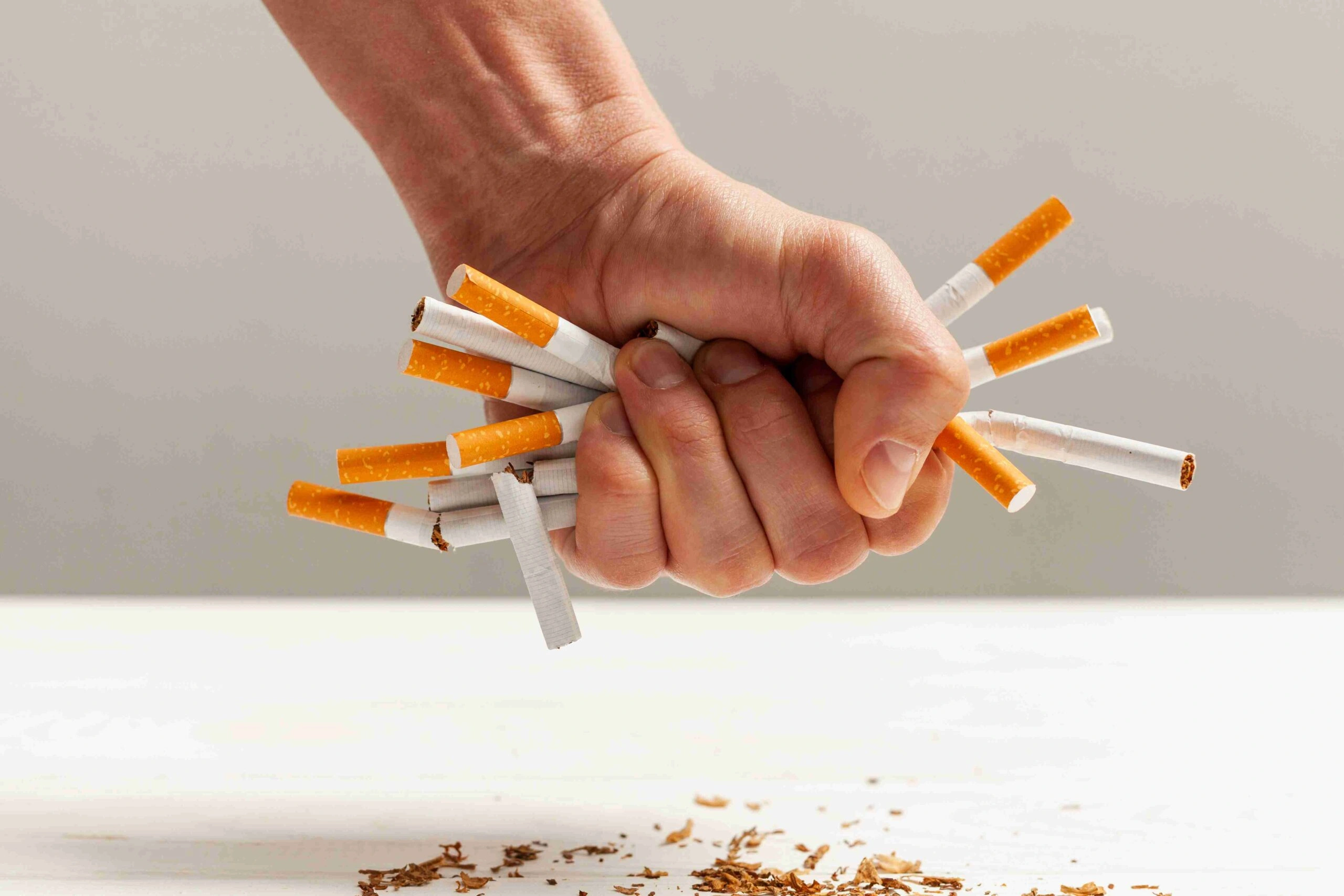
If you really want to quit smoking, start by finding a reason that truly matters to you. Maybe its to protect your family from secondhand smoke, stay healthy, or simply feel and look better. Having a strong personal reason will help you stay focused when cravings hit.
1. Prepare Before You Quit
Quitting is not as simple as throwing away your cigarettes. Smoking is an addiction, and your body will likely miss nicotine. This can make you feel irritable or restless. Before you quit, talk to your doctor about support options such as apps, counseling, medications, or quit smoking programs. The more prepared you are, the easier it will be to stop for good. To make quitting easier, get help ahead of time! Talk to your doctor about all the options like quit-smoking classes, apps, counseling, medicine, or even hypnosis. With a support system in place, you’ll be more prepared to kick the habit for good!
2. Consider Nicotine Replacement Therapy
When you quit, your body craves nicotine, which can cause headaches, fatigue, and mood swings. Nicotine replacement products like patches, gum, or lozenges can help reduce cravings. Studies show they work even better when combined with counseling or support programs.
3. Look Into Prescription Medications
There are prescription medicines that can make quitting easier. Some reduce your cigarette cravings, while others make smoking less enjoyable. These medications can also help with withdrawal symptoms, making the process smoother.
4. Lean on Loved Ones
You don’t have to quit alone. Tell your family and friends you are trying to quit so they can support and encourage you. Joining a quit smoking group or talking with a counselor can also help. Behavioral therapy, in particular, teaches you how to manage triggers that make you want to smoke.
5. Practice Self Care
Many people smoke to relax, so when you quit, it’s important to find new ways to unwind like starting a gym routine. You could start exercising, listen to music, hang out with friends, or take up a hobby. Try to avoid stressful situations in the first few weeks after quitting. It will make the process easier.
6. Avoid Alcohol and Other Triggers
Drinking can weaken your willpower, so try to limit alcohol at first. If you often smoke with coffee, switch to tea for a while. If you smoke after meals, try brushing your teeth, chewing gum, or going for a short walk instead. Small changes can make a big difference.
7. Clear Out Smoking Reminders
After your final cigarette, throw away ashtrays, lighters, and anything that reminds you of smoking. Wash your clothes, clean your home, and freshen up your car. Removing those reminders helps you avoid temptation and stay on track.
8. Don’t Give Up If You Slip
It’s normal to make mistakes while quitting. If you smoke again, don’t be hard on yourself. Think about what caused the slip and how to avoid it next time. Set a new quit date and keep moving forward. You are still making progress.
9. Get Moving
Physical activity helps reduce cravings and withdrawal symptoms. When you feel the urge to smoke, go for a walk, stretch, or do a quick workout. Even small movements, like gardening or walking your dog, can help you feel better and distract your mind.
10. Eat Healthy Foods
Don’t stress about dieting when you quit. Focus on eating nutritious foods like fruits, vegetables, whole grains, and lean proteins. These will give your body the energy it needs to heal and feel good without cigarettes.
11. Reward Yourself
Quitting saves money and your health! Keep track of how much you are saving and treat yourself to something special, like a nice meal or a new gadget. Celebrating your progress helps keep you motivated.
12. Remember That It Gets Better Over Time
The benefits of quitting start almost immediately. Within 20 minutes, your heart rate and blood pressure return to normal. After one day, carbon monoxide levels in your blood drop. In a few weeks, your circulation improves and your risk of heart attack goes down. Over time, your lungs heal, your energy returns, and your risk of serious diseases drops dramatically.
Conclusion
Quitting smoking is not easy, but it’s one of the best choices you can make for your health, your loved ones, and your future. Every step you take toward a smoke free life brings powerful benefits physically, mentally, and financially. With the right support, preparation, and mindset, you can leave cigarettes behind for good.
FAQs:
1. How long does it take to stop craving cigarettes?
Cravings usually peak during the first week after quitting and gradually decrease over a few weeks. With time and healthy distractions, they become much easier to manage.
2. What should I do if I relapse and smoke again?
Don’t give up. Use it as a learning moment to identify what triggered it and plan how to handle that situation differently next time. Then, set a new quit date and try again.
3. Can exercise really help me quit smoking?
Yes! Physical activity boosts your mood, reduces stress, and distracts you from cravings. Even light exercise like walking or stretching can make a difference.
4. Are nicotine patches or gums safe?
Yes, nicotine replacement products are safe when used as directed. They help manage withdrawal symptoms without the harmful chemicals found in cigarettes.
5. What are the first signs of recovery after quitting?
Within days, your breathing improves, your sense of taste and smell return, and your energy levels rise. You will also start feeling mentally stronger as your body adjusts to being nicotine free.