
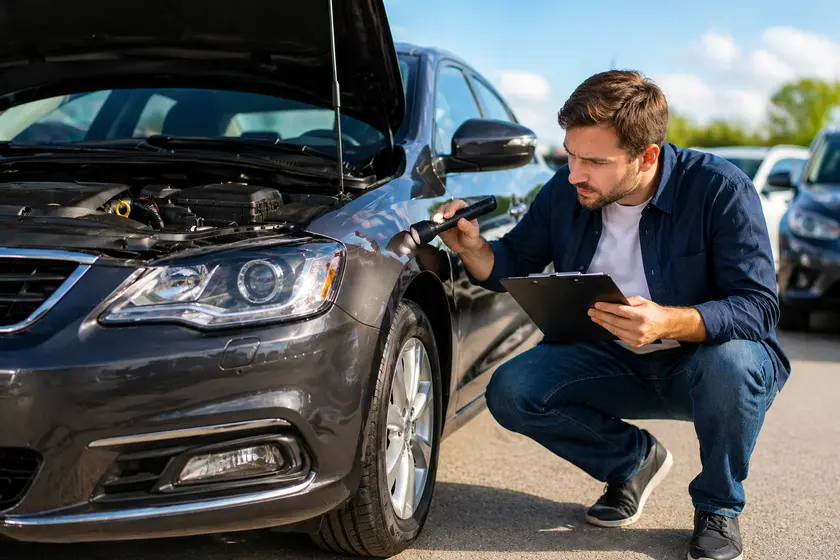

Buying a used car can save you thousands of dollars, but it comes with risks. A shiny exterior might hide serious problems underneath. Whether you’re a first-time buyer or looking to upgrade, knowing how to properly inspect a used vehicle prevents costly mistakes. Hidden mechanical issues, accident damage, or odometer fraud can turn your purchase into a nightmare. This guide shows you exactly what to check.
Step 1: Research the Car’s History
Before seeing the vehicle, use the VIN (Vehicle Identification Number) to get reports. These reveal accidents, title status, service records, and ownership history. Check the manufacturer’s website or NHTSA database for outstanding recalls and ask if recall repairs have been completed.
Step 2: Exterior Inspection
Walk around the car and examine every panel. Look for mismatched paint colors indicating accident repairs. Run your hand along body panels; they should feel smooth and aligned. Large gaps between panels suggest poor repair work or frame damage. Check for rust around wheel wells, door edges, and the undercarriage.
Test all lights, including headlights, taillights, and turn signals. Inspect windows for cracks. Examine tire tread using the penny test; if you see the top of Lincoln’s head, replacement is needed soon. Uneven wear might indicate alignment or suspension problems.
Step 3: Under the Hood
Check engine oil using the dipstick; it should be amber or light brown, not black. Low oil might mean the engine burns oil. Inspect coolant, brake fluid, and transmission fluid. Look at rubber belts and hoses for cracks or fraying. Check battery terminals for corrosion and ask about the battery’s age. Look underneath for leaks; oil, coolant, or transmission fluid leaks indicate problems.
Step 4: Interior Inspection
Check for tears, stains, or excessive wear on seats. Test all seat adjustments. Turn on the ignition without starting the engine; all warning lights should illuminate briefly, then turn off when you start the car. Lights that stay on indicate problems. Test everything: windows, locks, AC, heating, and radio. Smell inside for musty odors suggesting water leaks or flood damage.
Step 5: Test Drive Essentials
The engine should start immediately. Let it idle and listen for unusual noises like knocking or grinding. Drive on highways and city streets. The car should accelerate smoothly without hesitation. Test brakes multiple times; they should feel firm and stop smoothly without pulling to one side.
The steering should feel responsive and centered. Listen for clunking sounds over bumps. For automatic transmissions, shifts should be smooth. Manual transmissions should shift easily without grinding.
Step 6: Professional Inspection
Get a pre-purchase inspection from an independent mechanic. This costs $100-$200 but can save you thousands. A mechanic spots problems you might miss and uses diagnostic tools to check computer systems. Never buy if the seller refuses an inspection.
Documents to Review
Check that the title is clean without a “salvage” or “rebuilt” designation. Verify the VIN on the title matches the car’s VIN. Review maintenance records and ensure all ownership transfer documents are properly completed.
Conclusion
Checking a used car thoroughly before buying takes time, but it’s essential. Start with research, inspect every aspect carefully, take a comprehensive test drive, and always get a professional inspection. Trust your instincts; if something feels wrong or the seller seems evasive, walk away. The best deal isn’t the cheapest car but one that’s been properly maintained and honestly represented.
Frequently Asked Questions
What should I check first when buying a used car?
Start with a vehicle history report using the VIN number. This reveals accidents, title issues, and ownership history before you invest time in physically inspecting the car. Then proceed with a thorough exterior and interior inspection.
How can I tell if a used car has been in an accident?
Look for mismatched paint, uneven panel gaps, overspray on trim or rubber seals, and welding marks underneath the car. A vehicle history report will also show reported accidents. Have a mechanic check the frame for damage.
Is it worth paying for a pre-purchase inspection?
Absolutely. A professional inspection typically costs $100-$200 but can uncover hidden problems worth thousands of dollars in repairs. If a seller refuses to allow an inspection, that’s a red flag to walk away from the deal.
What mileage is too high for a used car?
Modern cars can easily last 200,000 miles with proper maintenance. Focus less on mileage and more on maintenance history and condition. A well-maintained car with 100,000 miles is better than a neglected car with 50,000 miles.
How do I check if the odometer reading is accurate?
Compare the mileage with service records, look for excessive wear that doesn’t match low mileage, and check the vehicle history report for mileage discrepancies. Pedal wear, seat condition, and steering wheel wear should correspond to the stated mileage.
What are the biggest red flags when buying a used car?
Major warning signs include sellers who refuse inspections, missing title or documentation, evidence of flood damage, strong smells masked by air fresheners, mismatched VIN numbers, salvage titles, and sellers pressuring you to buy immediately without proper review.
When is the best time to buy a used car?
Late fall and winter typically offer better deals as demand drops. The end of the month or year can also yield better prices as dealers try to meet quotas. However, finding the right car in good condition matters more than timing the market.